Affiliate Disclosure: Some of the links in this post are affiliate links, which means I may earn a small commission at no additional cost if a purchase is made through them. I only recommend products I trust and genuinely believe can support pelvic health and recovery. Thank you for supporting this resource!
How to choose a vaginal lubricant based on pH, osmolality, ingredients, vaginal dryness, and dilator use
Finding the best personal lubricant for vaginal health involves more than selecting the first product on the shelf. While many products provide temporary lubrication, they vary significantly in pH, osmolality, ingredients, and overall compatibility with vaginal tissue.
Some lubricants are formulated to support the vaginal environment, while others may contribute to irritation, dryness, or disruption of the vaginal microbiome.
Some lubricants are formulated to more closely match the natural vaginal environment, while others may contribute to dryness or irritation, particularly when used frequently. The right lubricant may also depend on how it will be used, including for intimacy, vaginal dryness, or with vaginal dilators and pelvic wands.
This guide compares water-based and silicone-based personal lubricants and explains how pH, osmolality, ingredients, and formulation can help determine which option may be the best fit.
Using lubricant with vaginal dilators? Lubricant can make dilator insertion and progression more comfortable, but material compatibility also matters. See the complete vaginal dilator comparison for Intimate Rose, NewFlora, and VWELL, including sizing, materials, and brand differences.
Best Personal Lubricants by Need
These two formulas are currently reviewed in depth in this guide:
Best for Vaginal Dryness & Hydration: Playground Free Love
Playground Free Love contains hyaluronic acid, has a vaginal-friendly pH of 4.5-4.8, and has a low osmolality of 200-400 mOsm/kg. Its hydration-focused formula makes it particularly relevant for vaginal dryness and for those seeking added moisture from a water-based lubricant.
Best for Long-Lasting Lubrication: Uberlube
Uberlube is a silicone-based lubricant with a short ingredient list and long-lasting slip. Because it contains no water, it does not dry out as quickly as most water-based lubricants and generally requires less reapplication.
Understanding pH and Osmolality
Understanding pH and osmolality is one of the most important steps in evaluating a personal lubricant.
pH
The vagina naturally maintains a slightly acidic environment, with a normal pH between 3.8 and 4.5. This acidity helps beneficial bacteria called Lactobacillus thrive. These bacteria play an important role in keeping the vagina healthy by maintaining the vaginal microbiome and making it more difficult for harmful bacteria and yeast to grow.
Think of pH as the vagina's natural balance. When that balance is maintained, the vaginal environment is better able to protect itself.
Ideally, a personal lubricant should have a pH that is similar to the vagina's natural pH. Lubricants that are too alkaline (generally above 5.0) may temporarily disrupt this balance, making the vaginal environment less favorable for healthy bacteria. Over time, repeated disruption may increase the risk of irritation or contribute to conditions such as bacterial vaginosis (BV) in some individuals.
Osmolality
While pH helps maintain the vagina's natural balance, osmolality helps determine whether vaginal tissue stays hydrated. Natural vaginal fluid contains just the right amount of dissolved particles to keep vaginal cells healthy and hydrated.
Some lubricants are much more concentrated than natural vaginal fluid. When this happens, they can actually pull water out of the vaginal cells. Think about sprinkling salt on sliced cucumbers. Within a few minutes, water begins collecting on the surface because the salt pulls water out of the cucumber. A highly concentrated lubricant can create a similar effect on vaginal tissue.
When vaginal cells lose water, the tissue may become drier, more fragile, and more prone to irritation. Repeated use of highly concentrated lubricants may also weaken the natural barrier that helps protect against irritation and infection.
Natural vaginal fluid has an osmolality of about 370 mOsm/kg. The World Health Organization (WHO) recommends that lubricants intended for vaginal use have an osmolality below 1,200 mOsm/kg, with products closer to natural vaginal fluid generally considered the most tissue-friendly.
Unfortunately, many common drugstore lubricants have published osmolality values between 2,000 and 8,000 mOsm/kg, making them much more concentrated than the body's natural vaginal fluid.
While pH and osmolality are two of the most important characteristics of a personal lubricant, they are only part of the equation. The ingredients within a lubricant also influence how it interacts with vaginal tissue.
Ingredients Supported by Research
Hyaluronic Acid
Hyaluronic acid is one of the most evidence-supported ingredients used for vaginal hydration.It naturally attracts and retains water within the tissue, helping improve hydration, elasticity, and overall comfort.
Research has shown that hyaluronic acid may improve vaginal dryness, burning, itching, painful intercourse, and symptoms associated with genitourinary syndrome of menopause (GSM). It is considered one of the best-supported nonhormonal ingredients for vaginal dryness.
Hydroxyethylcellulose
Hydroxyethylcellulose is a plant-derived ingredient that helps give water-based lubricants a smooth, long-lasting feel. Although it isn't an active ingredient that treats vaginal dryness, it has been extensively studied as a safe vaginal gel base and is commonly used in many pelvic-health-focused lubricants.
Lactic Acid
Lactic acid helps maintain a lubricant's acidic pH, making it more compatible with the natural vaginal environment. Because healthy Lactobacillus bacteria naturally produce lactic acid, many pelvic-health-focused lubricants include it to help support a pH similar to that of a healthy vagina.
Current research does not show that lactic acid treats bacterial vaginosis or restores the vaginal microbiome, but it does help create a lubricant that is more compatible with normal vaginal physiology.
Ingredients with Limited Vaginal Research
Several ingredients may provide moisturizing or soothing properties but have limited direct clinical research involving vaginal lubricants.
These include:
Aloe vera
Vitamin E
Oat beta-glucan
Tremella mushroom
Licorice root
Marshmallow root
Green tea
Lotus root
Hemp seed extract
Quinoa extract
Linseed extract
Most evidence for these ingredients comes from dermatology, wound care, or laboratory studies rather than human vaginal research.
Xanthan Gum, Agar, and Guar Gum
These plant-derived ingredients act as natural thickeners. They help create a smooth, slippery texture, improve spreadability, and allow the lubricant to stay on the tissue longer. Although these ingredients are considered safe and are commonly used in high-quality lubricants, there is little evidence that they directly improve vaginal health. Their primary purpose is to improve the feel and stability of the product.
Ingredients to Be Aware Of
While many lubricant ingredients serve important purposes, some may be less suitable for individuals with vulvodynia, recurrent irritation, contact dermatitis, recurrent yeast infections, or highly sensitive vaginal tissue.
Glycerin
Glycerin helps lubricants retain moisture and improve glide. Although current research does not clearly show that glycerin causes yeast infections, it can increase a lubricant's osmolality when used in higher amounts. Individuals with recurrent yeast infections or sensitive tissue may prefer a glycerin-free lubricant.
Propylene Glycol
Propylene glycol helps improve texture and retain moisture but may irritate sensitive skin or vaginal tissue. It may also contribute to higher osmolality in some formulations.
Fragrance and Flavoring
Fragrance and flavoring provide no vaginal health benefit and may increase the risk of irritation in sensitive individuals. Fragrance-free products are generally the safer choice.
Warming and Cooling Ingredients
Ingredients such as menthol or peppermint create warming or cooling sensations that some people enjoy but may cause burning or discomfort in individuals with vulvodynia or sensitive tissue.
Chlorhexidine
Chlorhexidine is an antiseptic that may affect beneficial vaginal bacteria. Because it offers little benefit in an everyday lubricant, products without chlorhexidine are generally preferred.
Nonoxynol-9
Nonoxynol-9 is a spermicide rather than a lubricating ingredient. Frequent use has been associated with vaginal irritation and disruption of healthy bacteria, making it a poor choice for routine lubrication.
Brand Highlights
Best Water-Based Lubricants
“Pelvic Floor PT Tip: “Water-based” does not automatically mean vaginal-friendly. pH and osmolality can vary significantly between products.”
Playground Free Love
Best for: Vaginal dryness & a hydrating formula
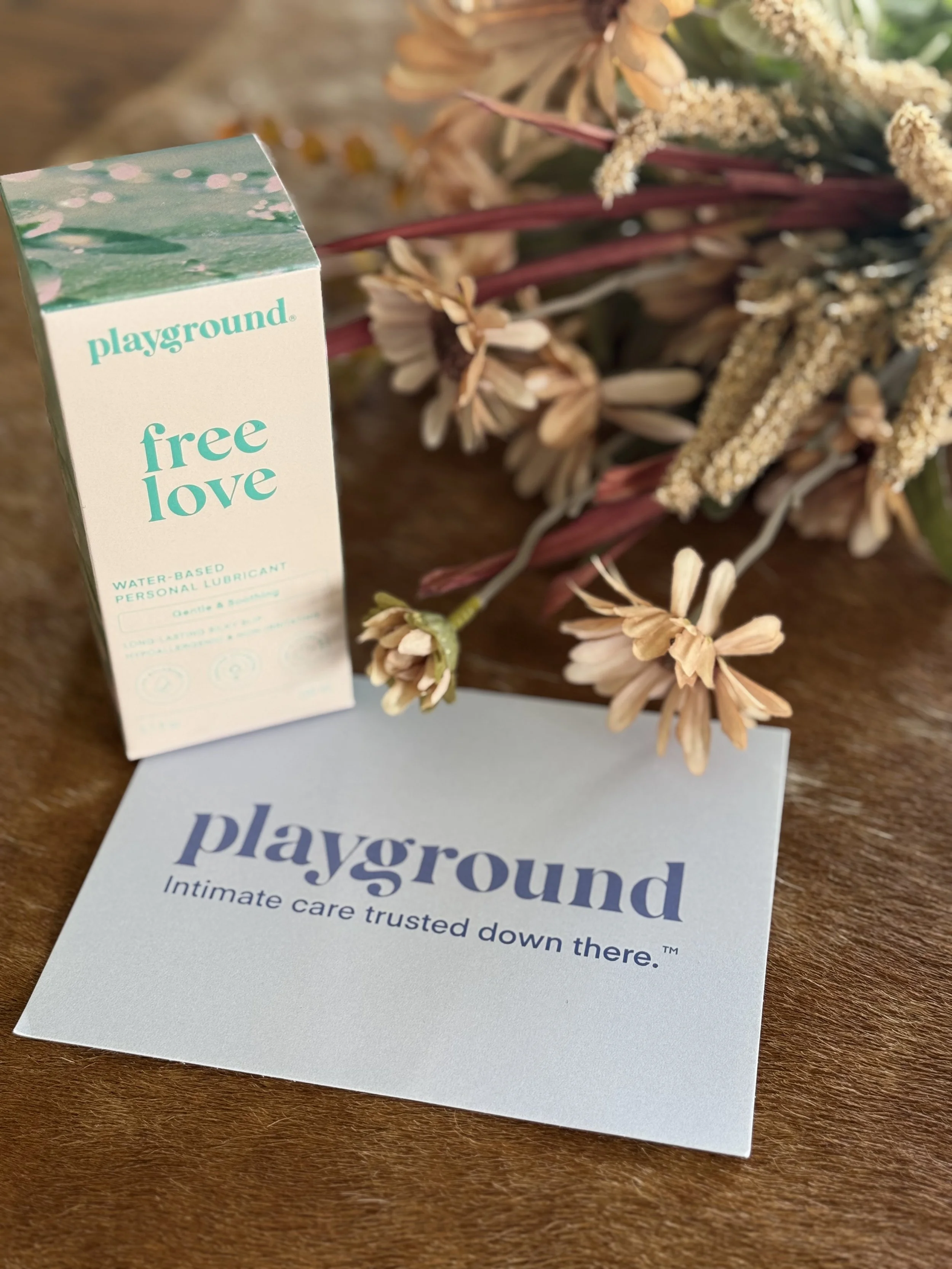
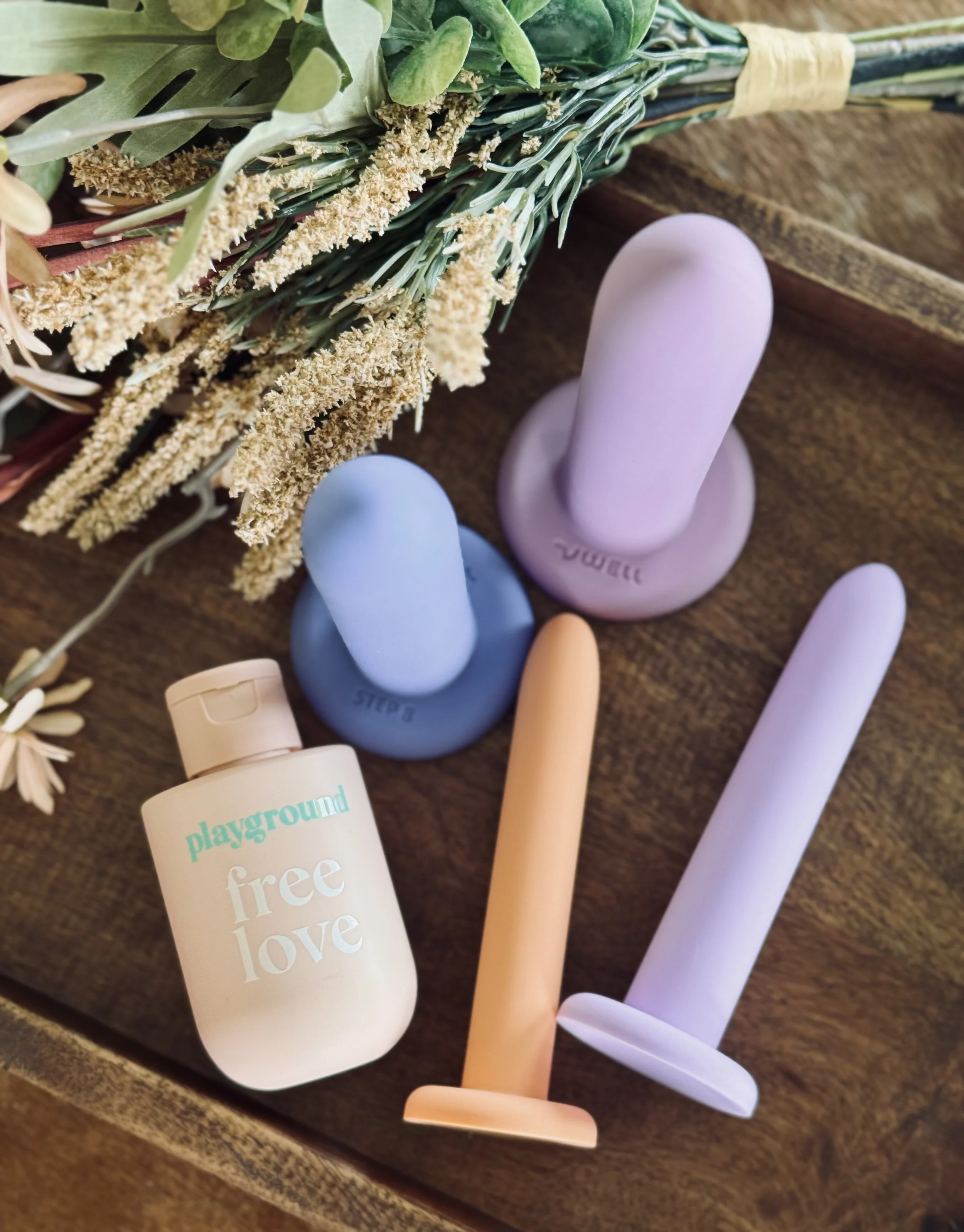
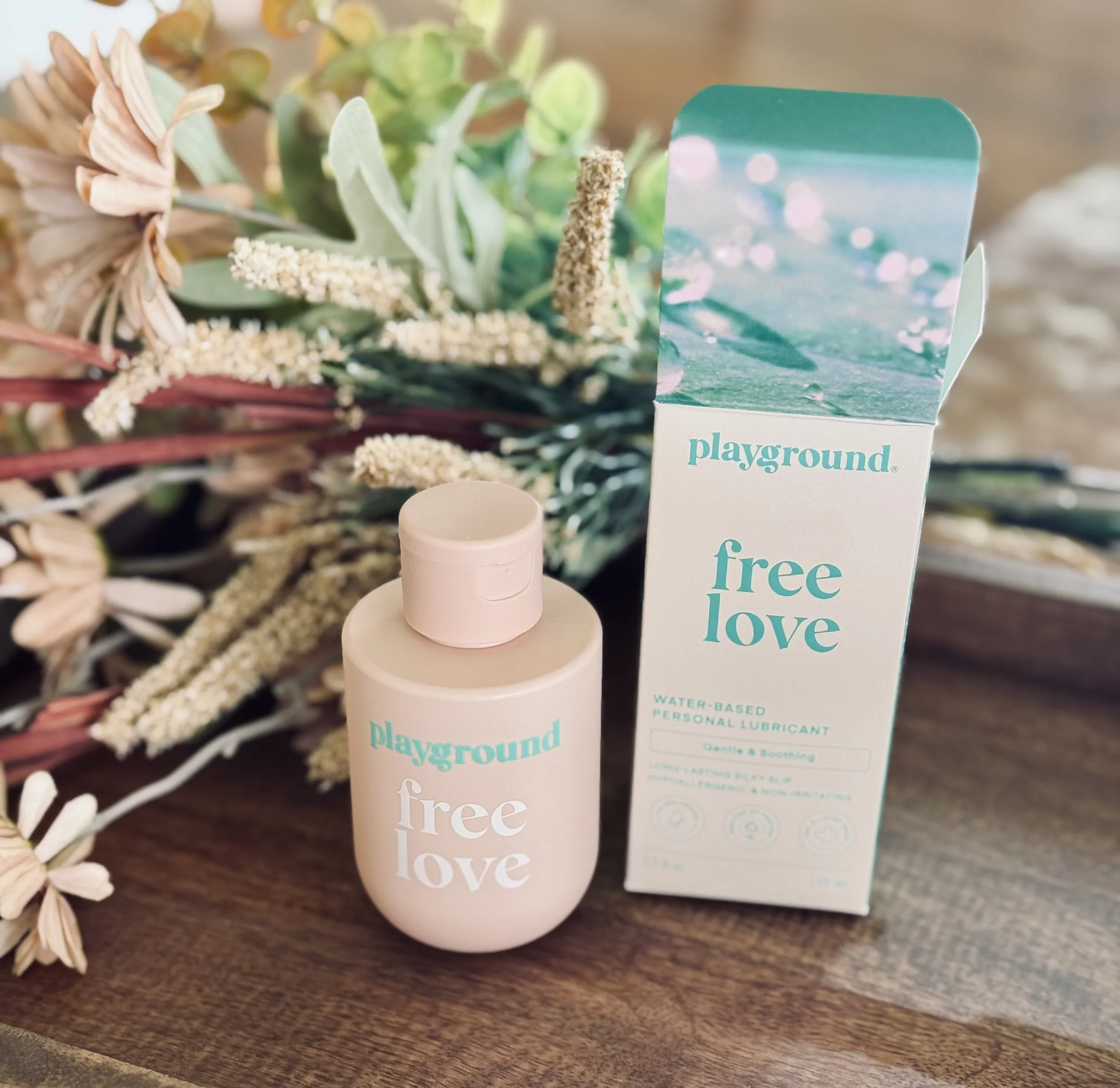
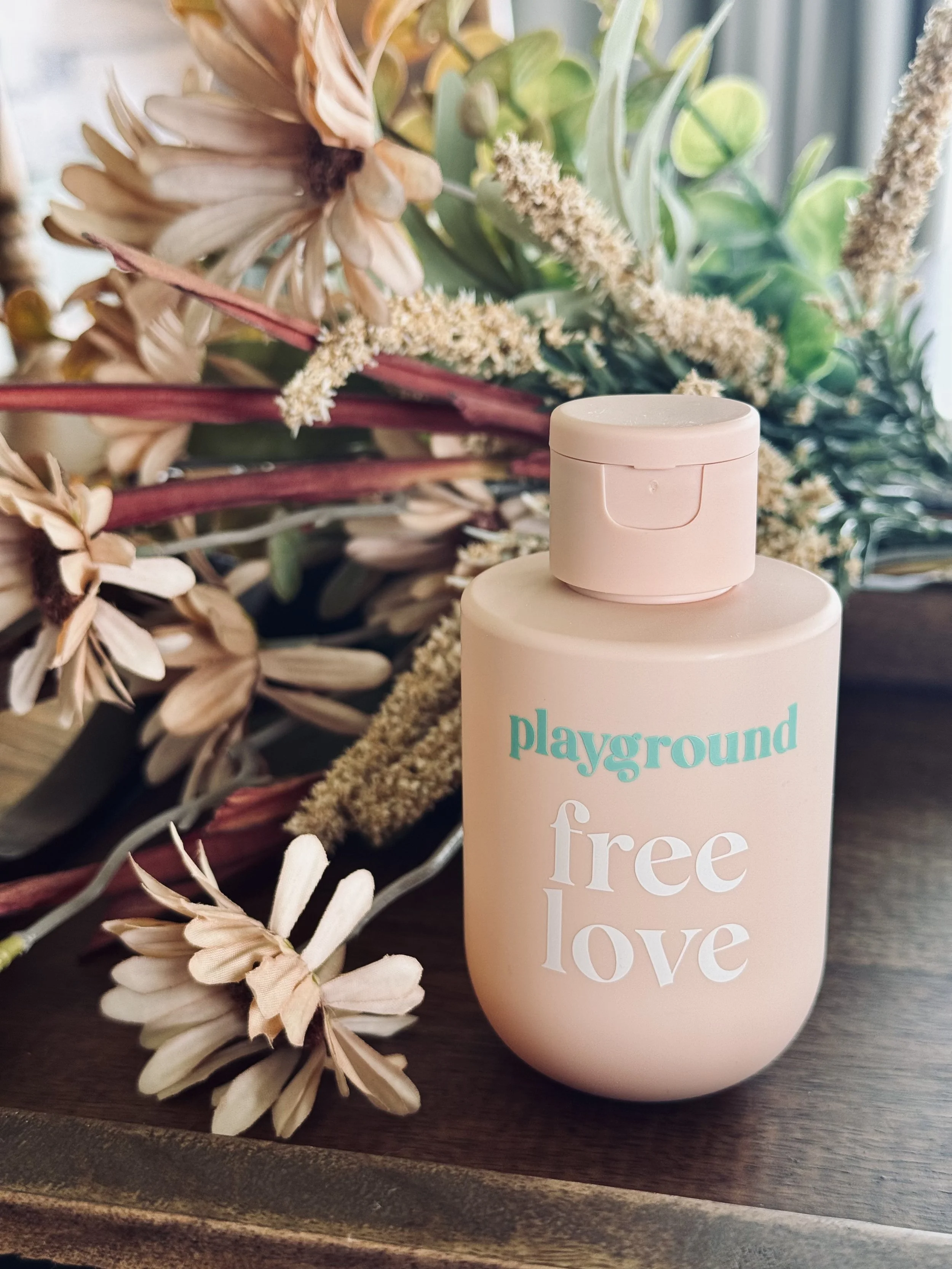
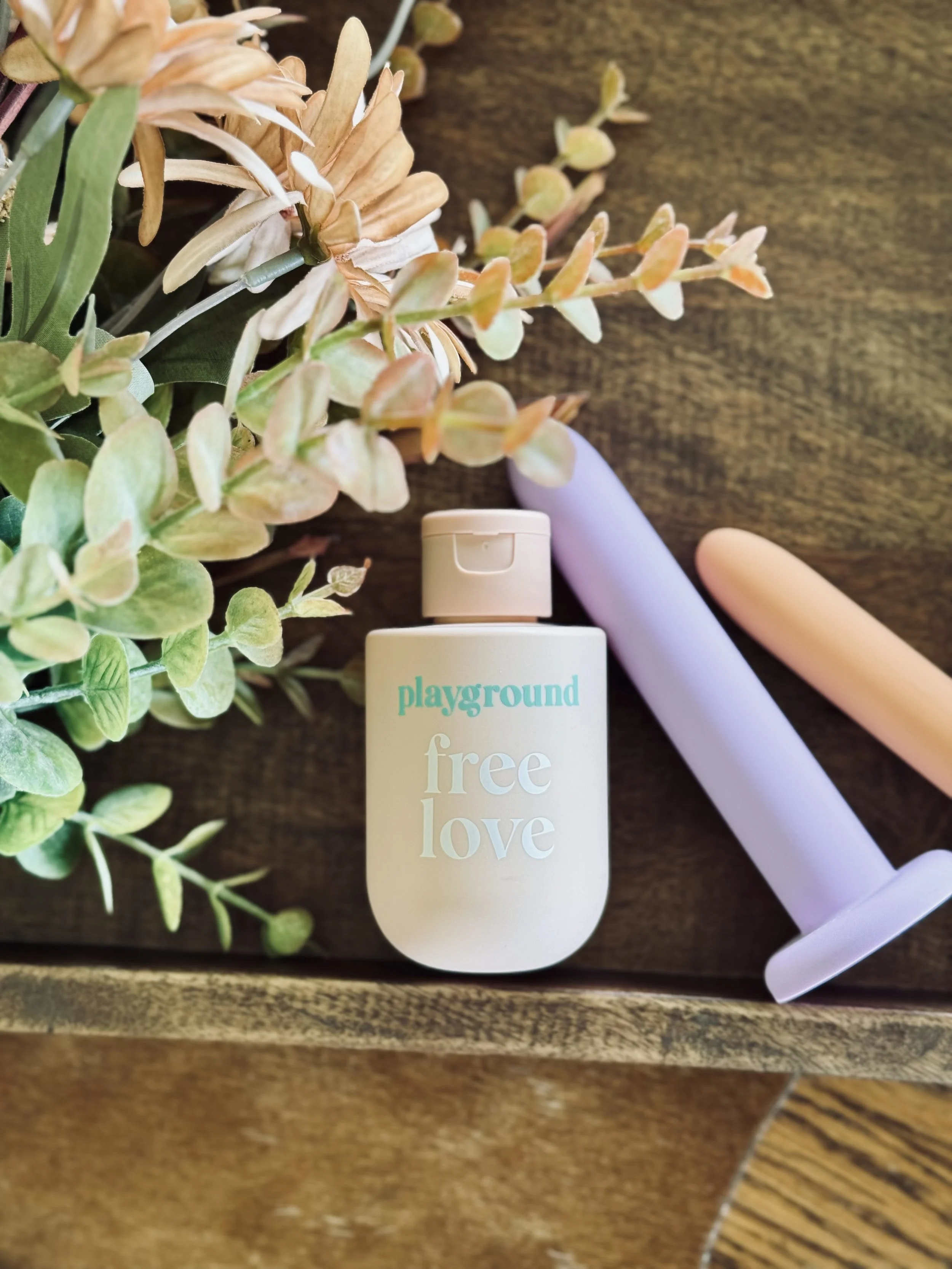
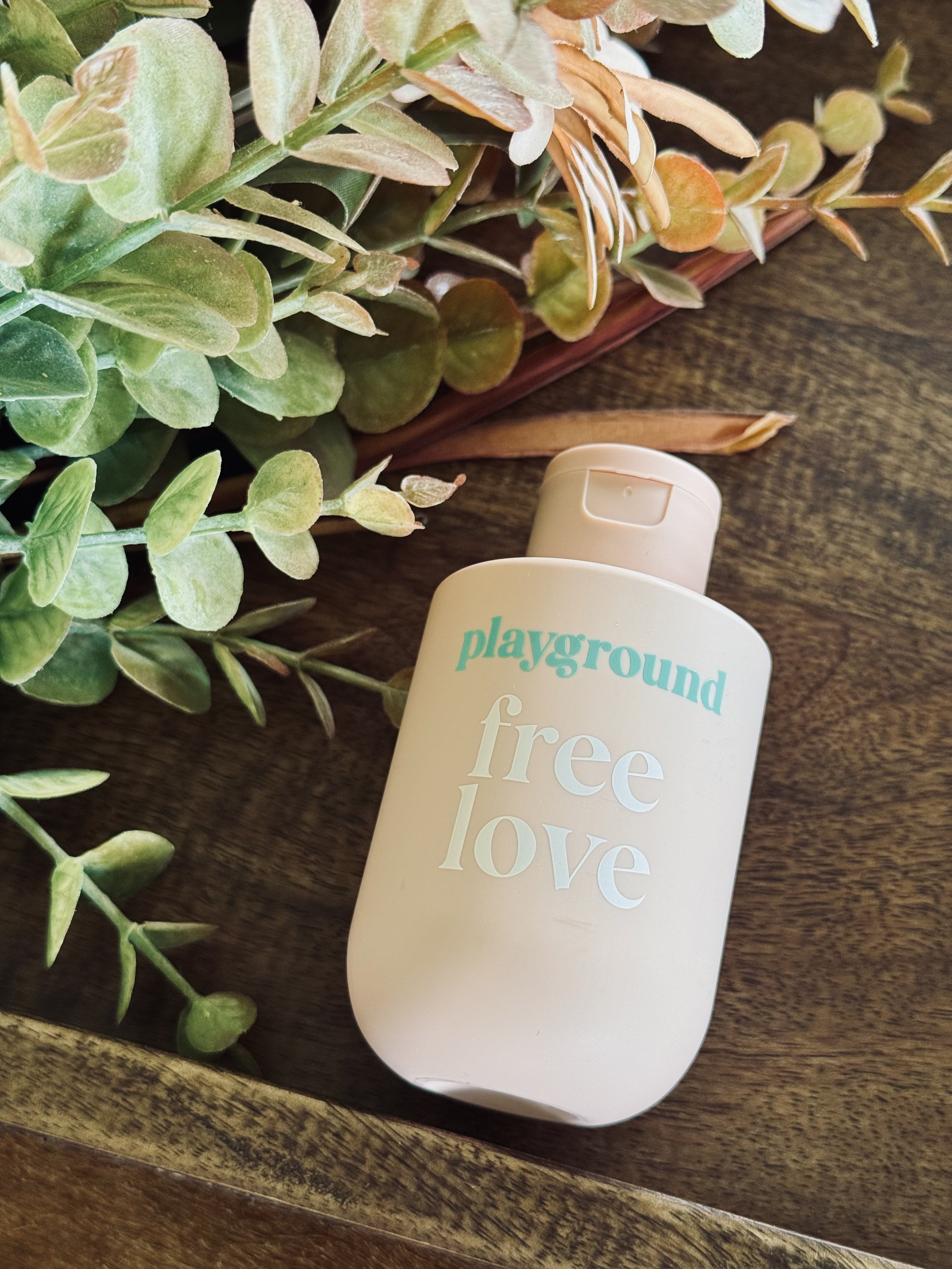
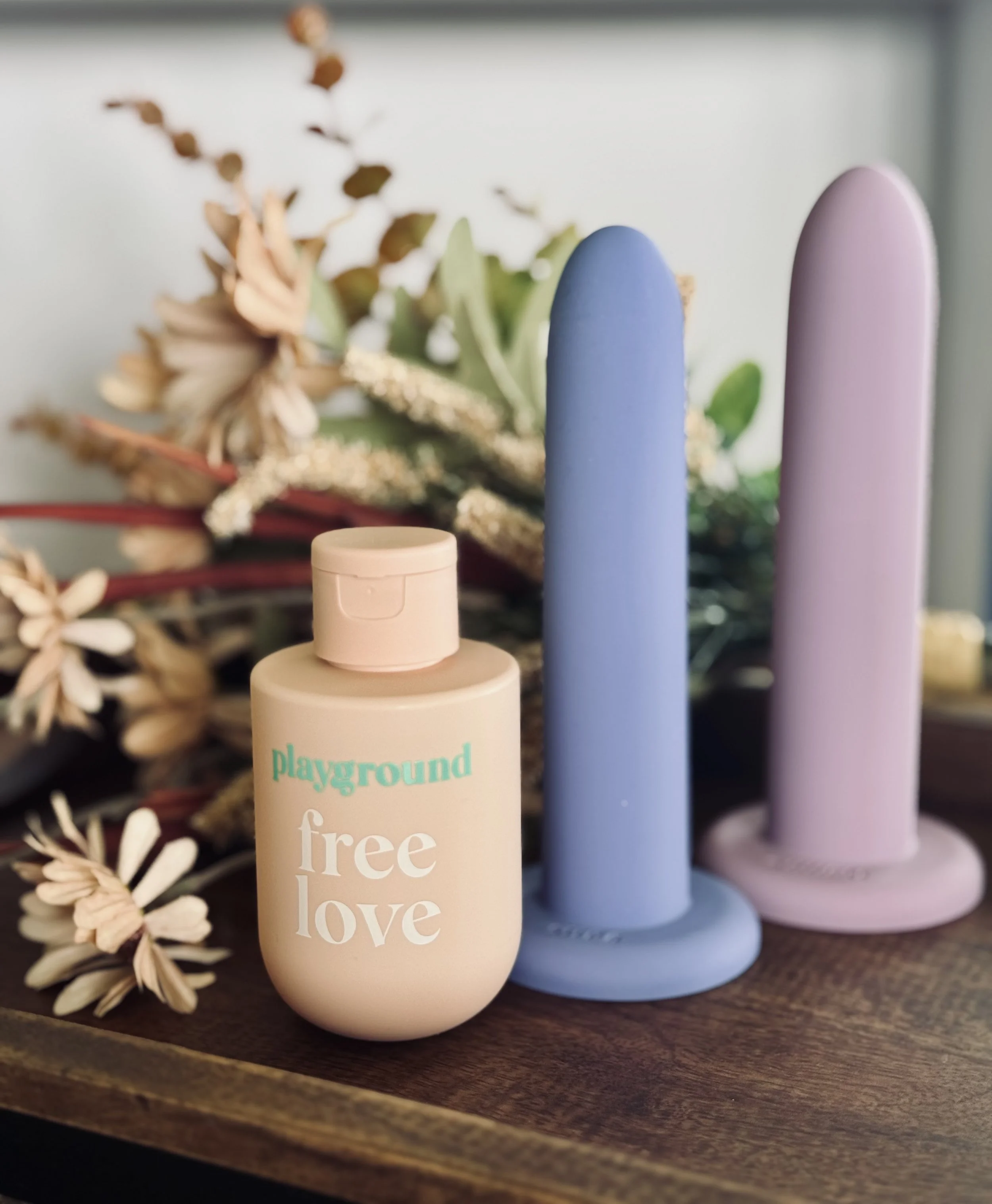

Playground Free Love stands out for its hydrating formula, with hyaluronic acid and vitamin E to help support moisture and comfort. It also contains botanicals such as ashwagandha, black cohosh, and horny goat weed, which may offer added skin or wellness benefits, although research on their effects specifically on vaginal tissue is limited. Free Love may be a good option for someone dealing with dryness who wants more than a basic water-based lubricant, while those with very sensitive or reactive tissue may prefer a more minimalist formula with fewer botanical ingredients.
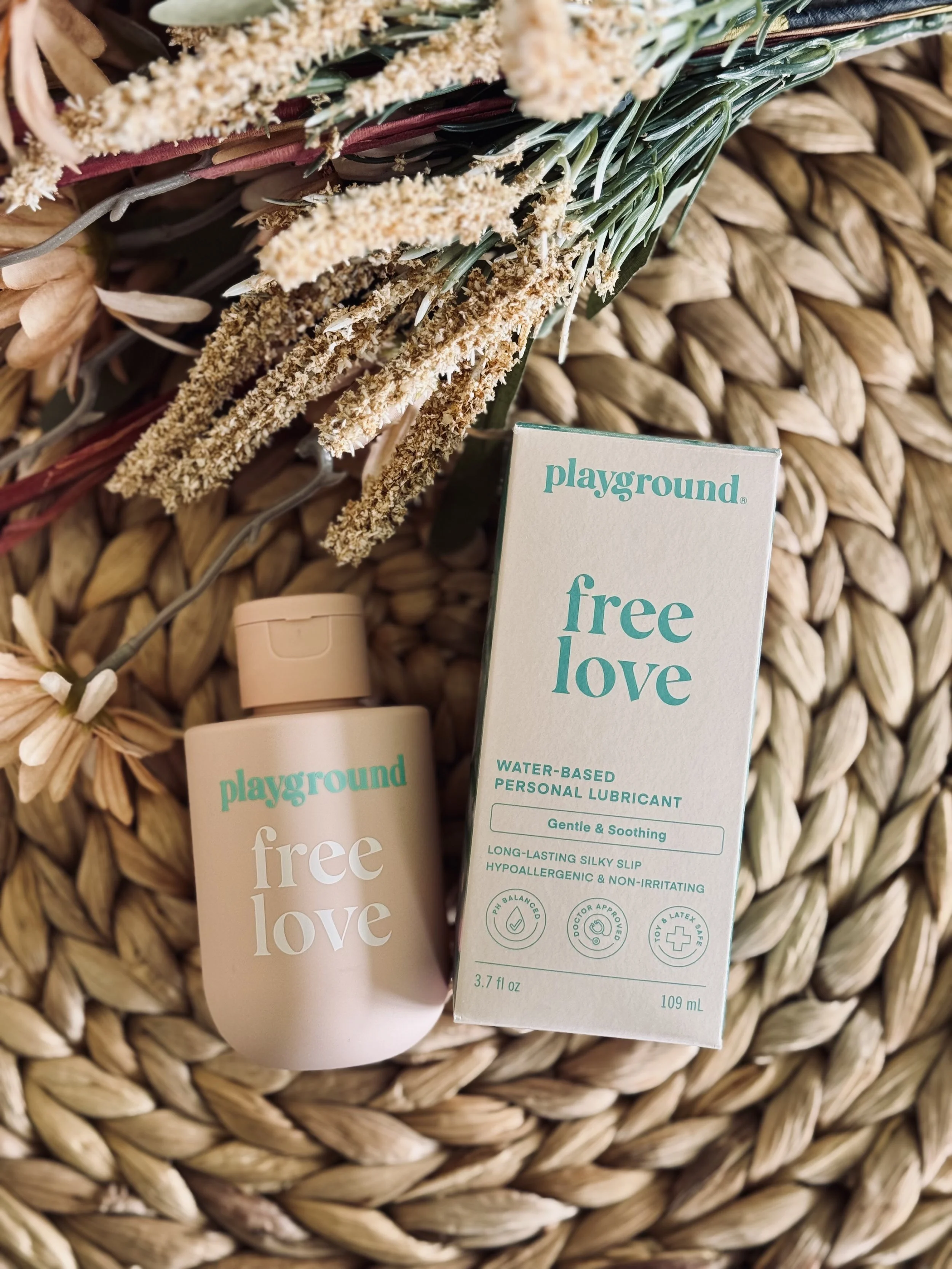
Highlights
Contains hyaluronic acid for hydration
Contains vitamin E for added moisture and skin conditioning
Includes a botanical blend of ashwagandha, black cohosh, and horny goat weed
pH balanced for vaginal use (4.5-4.8)
Low osmolality formulation (200-400 mOsm/kg)
Glycerin and fragrance free
Toy and condom compatible
Hydration-focused formula with added botanicals
Ingredient Profile: Free Love
-
Forms the base of the lubricant and gives Free Love its lightweight, water-based feel.
-
Helps draw moisture into the skin and improves slip, which can make the lubricant feel smoother and more hydrating.
-
A highly moisturizing ingredient that holds onto water and has research supporting its use for vaginal dryness and irritation.
-
A botanical ingredient that may have soothing and moisturizing properties, although research specifically on vaginal tissue is still limited.
-
A plant extract commonly associated with menopause support, but there is limited evidence that it directly improves vaginal dryness when used topically.
-
A botanical traditionally used for sexual wellness, although there is very little research showing a specific benefit when applied to vaginal tissue.
-
A moisturizing antioxidant that may help support dry or irritated tissue, with some research suggesting benefits for vaginal dryness.
-
A thickening ingredient that gives the lubricant its gel-like texture and helps it stay in place.
-
Helps adjust the lubricant’s pH so the formula stays within a more vaginal-friendly range.
-
A preservative that helps prevent bacteria, yeast, and mold from growing in the product.
-
Another preservative used to keep the water-based formula safe and stable over time.
Best Silicone-Based Lubricants
Uberlube
Best for: Long-lasting lubrication & a lightweight silicone feel
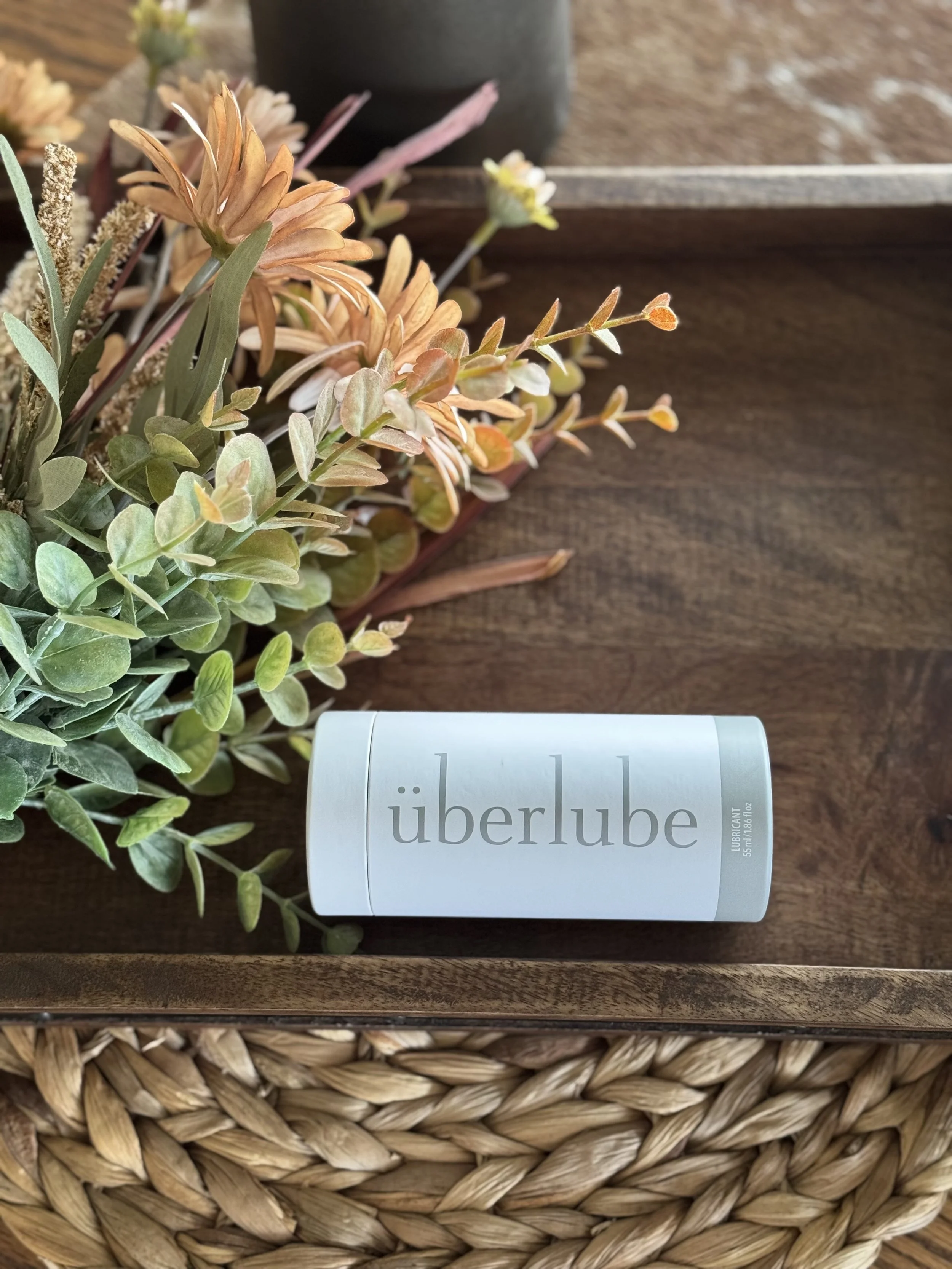
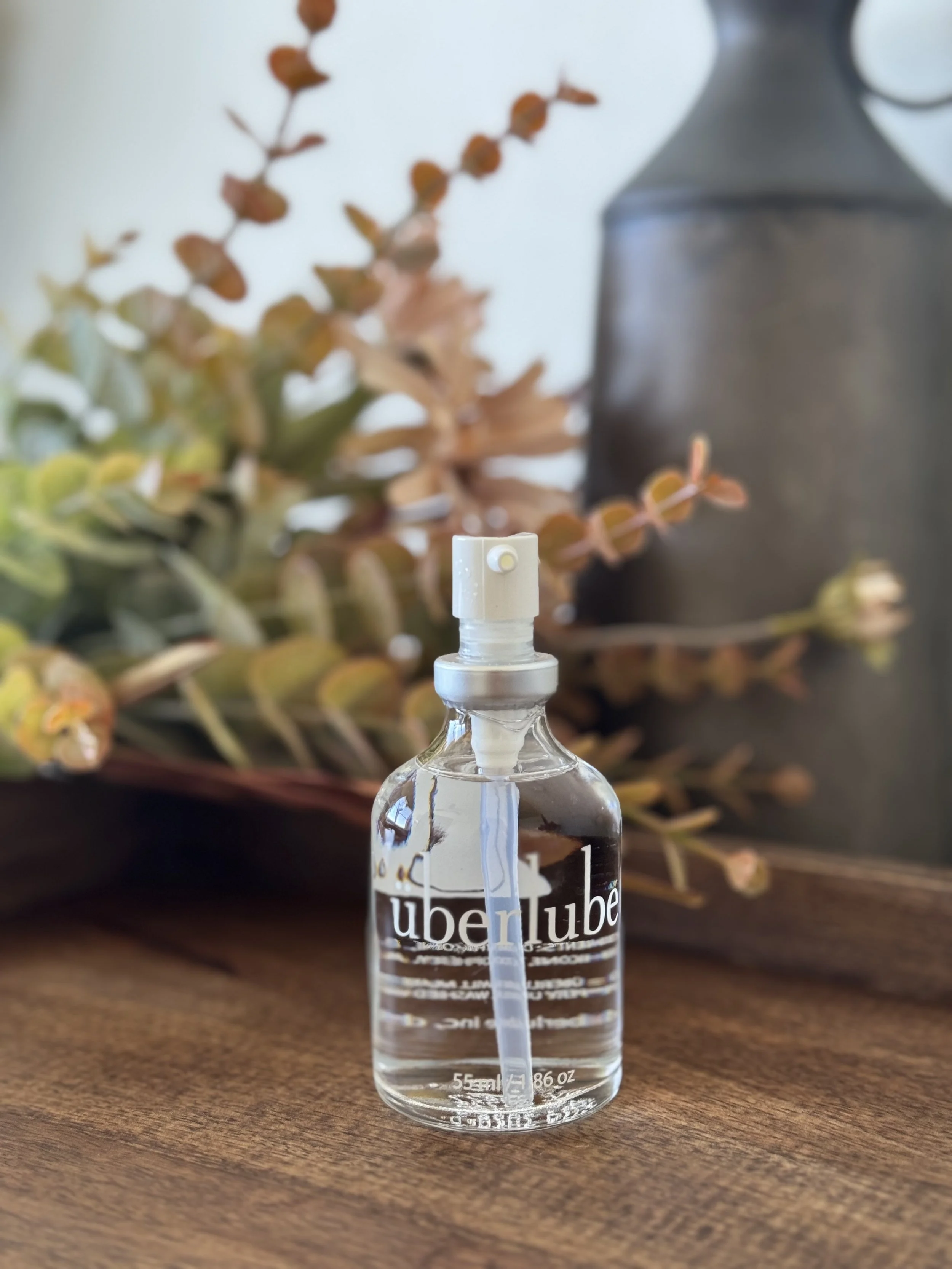
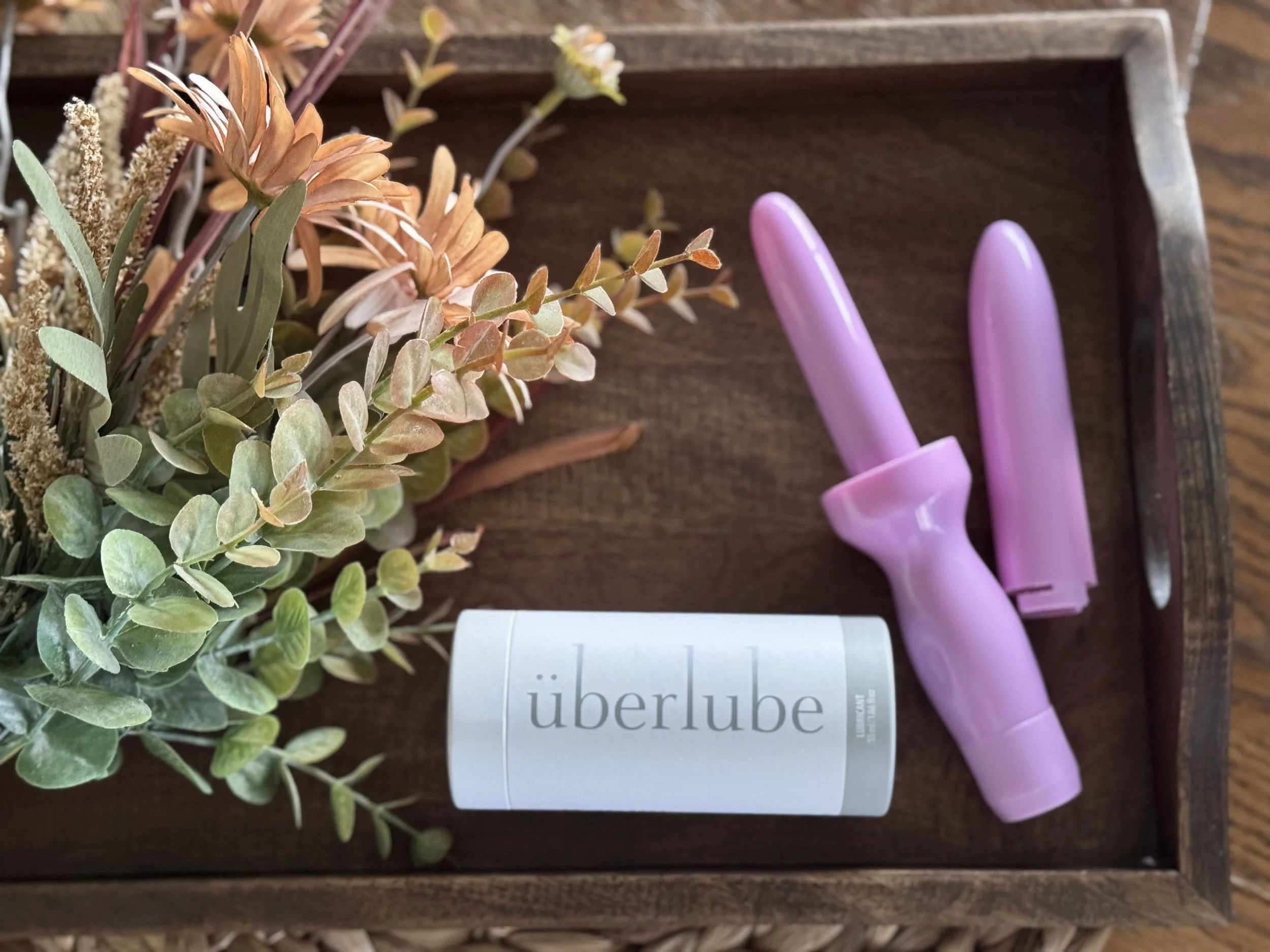
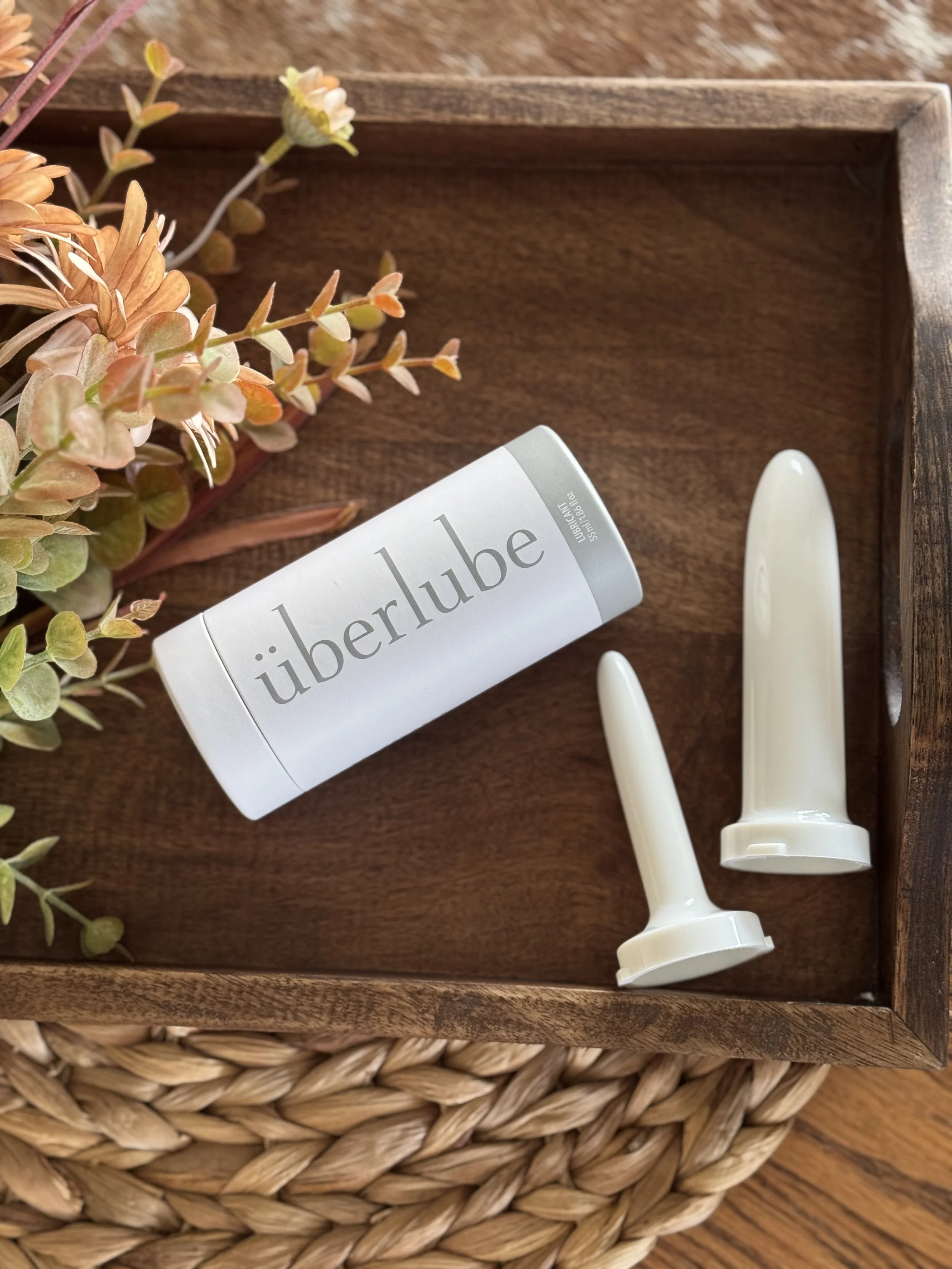
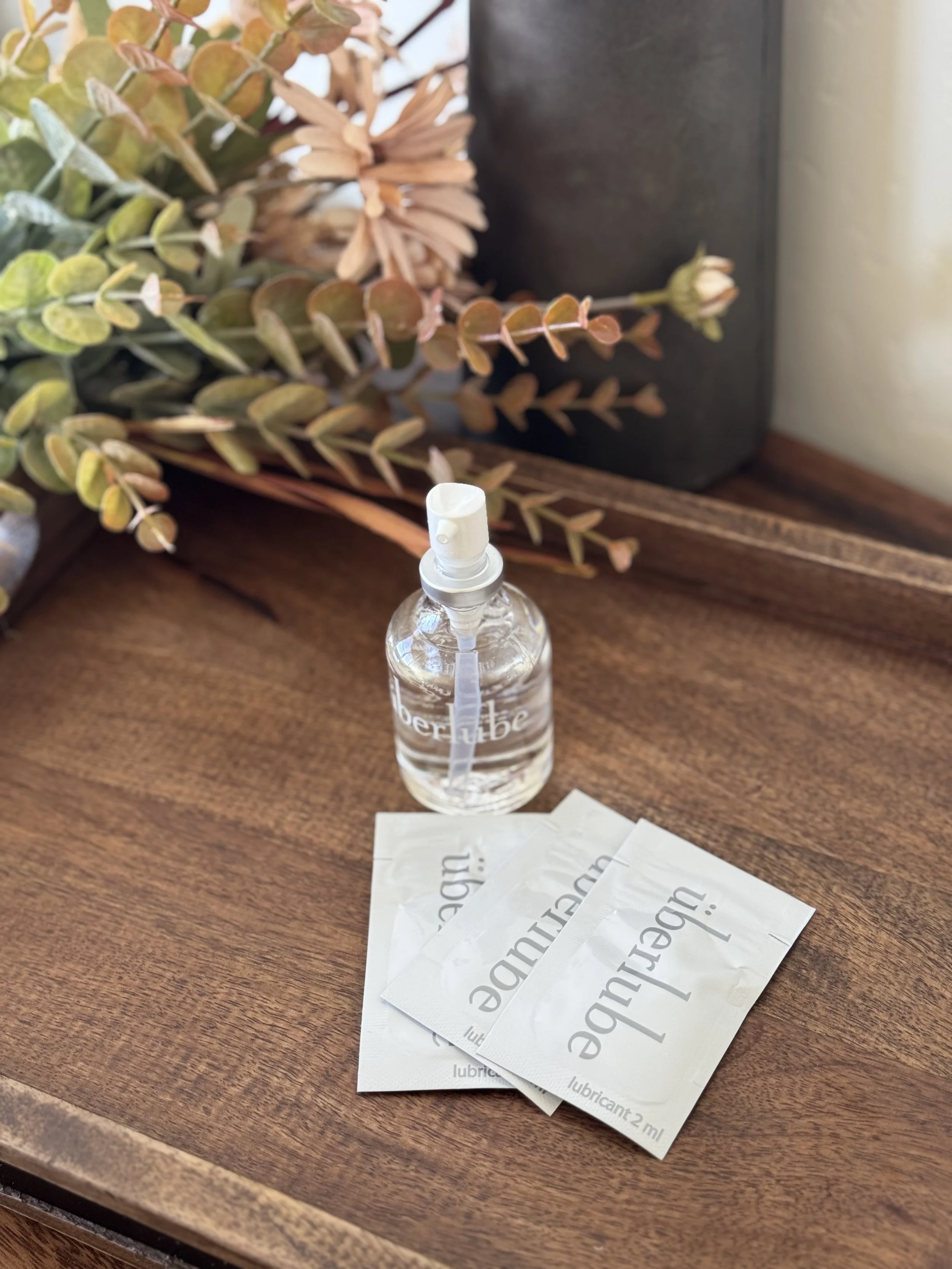
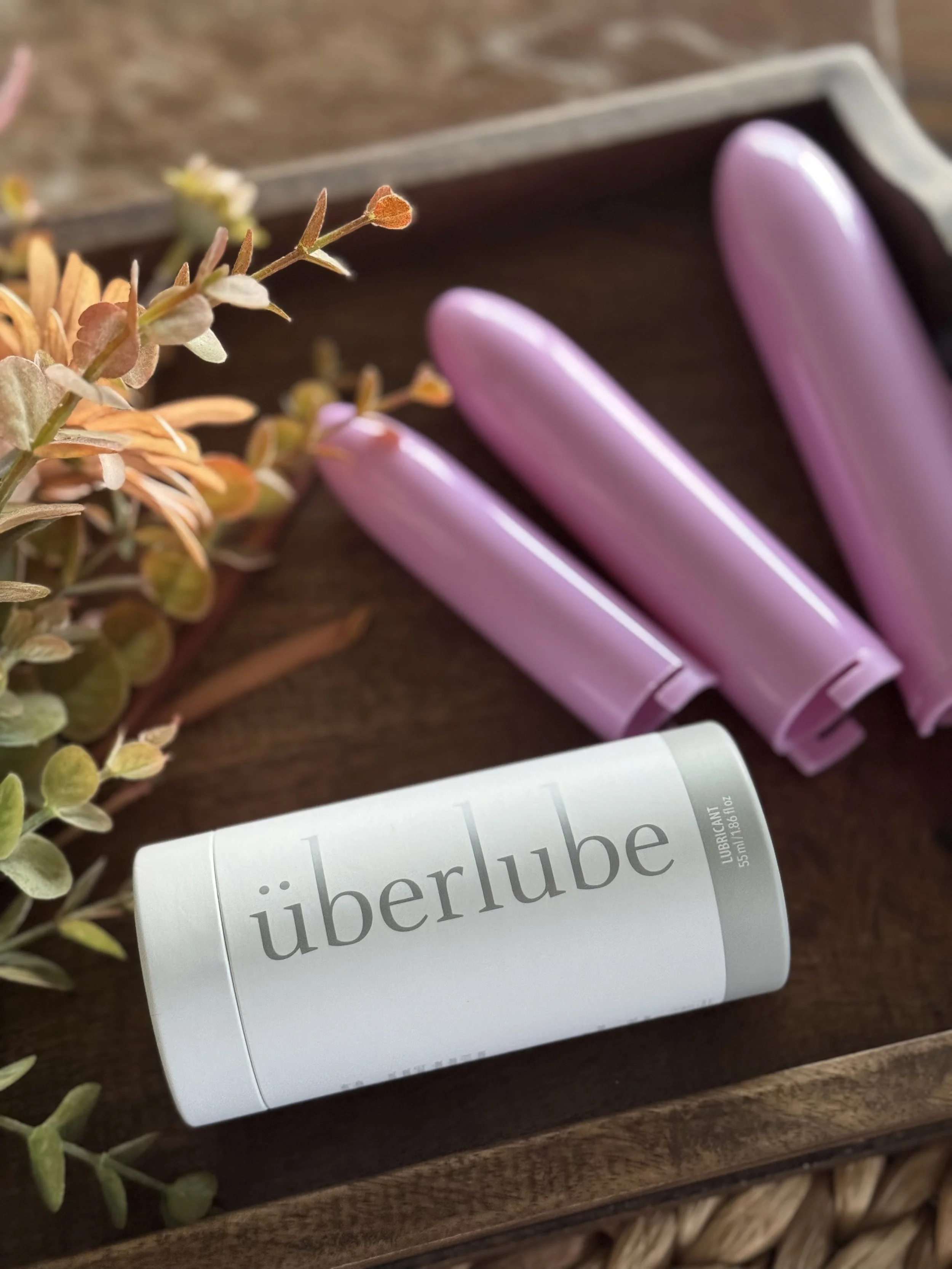
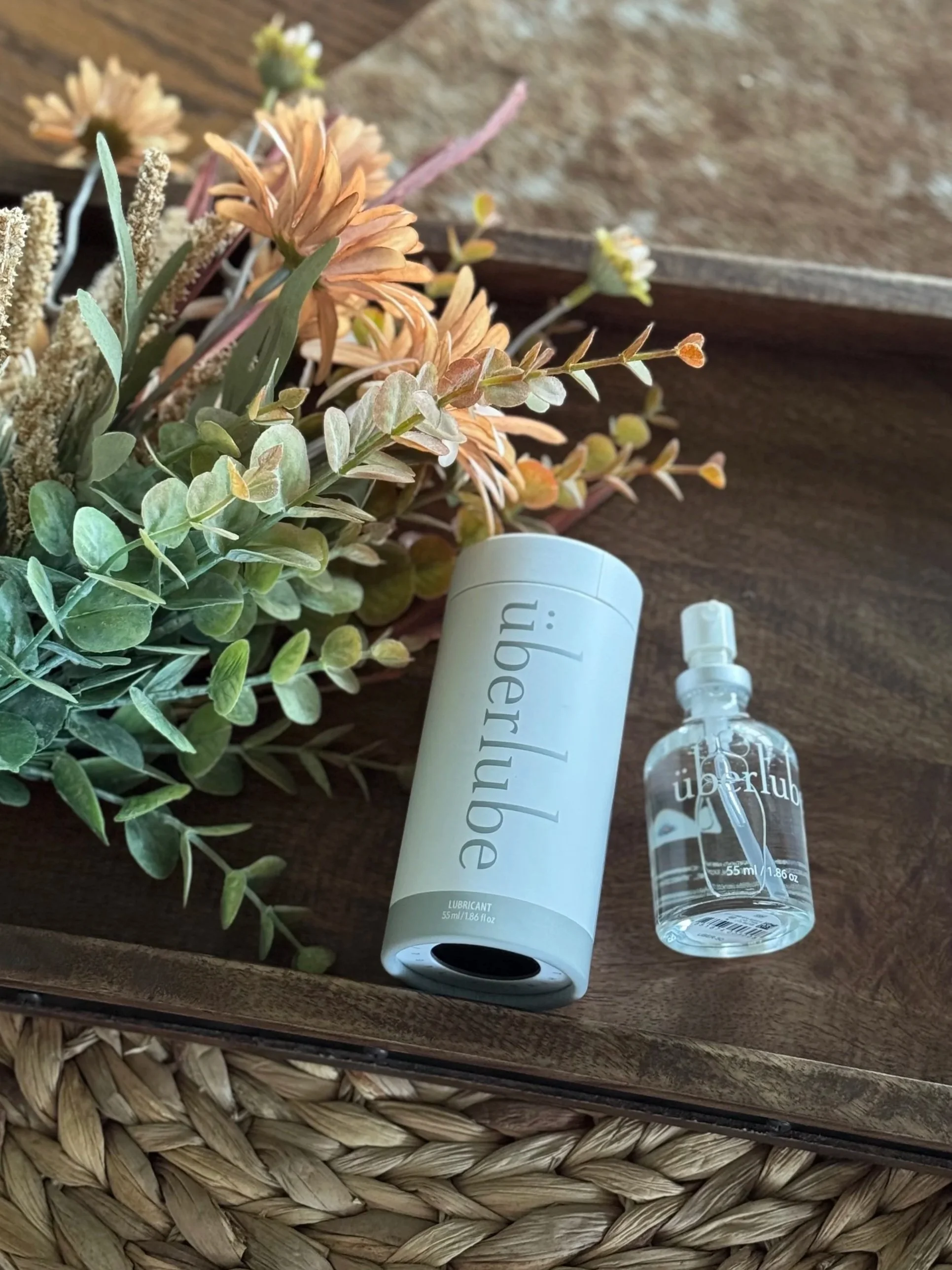
Uberlube stands out for its ultra-simple, long-lasting silicone formula. It contains just a few ingredients, including dimethicone and vitamin E, which give it a very smooth feel with less friction and much less need for reapplication than most water-based lubricants. Because it does not contain water, glycerin, fragrance, or botanical extracts, it may be a good option for someone who prefers a more minimalist formula or finds water-based lubricants dry out too quickly. The main drawback is that silicone lubricants may not be compatible with some silicone sex toys or dilators, so manufacturer recommendations should be checked before use.
Highlights
Ultra-simple silicone formula with only a few ingredients
Contains vitamin E for added skin conditioning
Long-lasting slip with less need for reapplication
Water-free formula that does not dry out like many water-based lubricants
Glycerin and fragrance free
No pH or osmolality concerns
Latex condom compatible
Best suited for those wanting a minimalist, long-lasting lubricant
May not be compatible with some silicone toys or dilators
Ingredient Profile: Uberlube
-
A silicone that creates long-lasting slip and helps reduce friction. It is widely used in skin-care and medical products and is generally well tolerated.
-
A thicker silicone that gives the lubricant a silky texture and helps it stay in place. It is commonly used in personal-care products and is not considered a concerning ingredient when used as intended.
-
A lightweight silicone that helps the lubricant spread easily and feel smooth rather than sticky. Human-health concerns with normal topical use are low; most concerns around this ingredient are environmental.
-
Added in a small amount to help condition and moisturize the skin. It is generally well tolerated, although irritation can still occur in sensitive individuals.
Worth noting: Überlube has a very short ingredient list and does not contain glycerin, fragrance, parabens, or water-based preservatives. Because it is silicone-based, pH and osmolality are not measured in the same way as they are for water-based lubricants.
Ready To Shop?
Playground
REVIVE for 10% off